
From Volta Technology to Carbeau: Advancing Electrochemical CO₂ Conversion
Interview with Julia Krasovic (CTO of Carbeau)
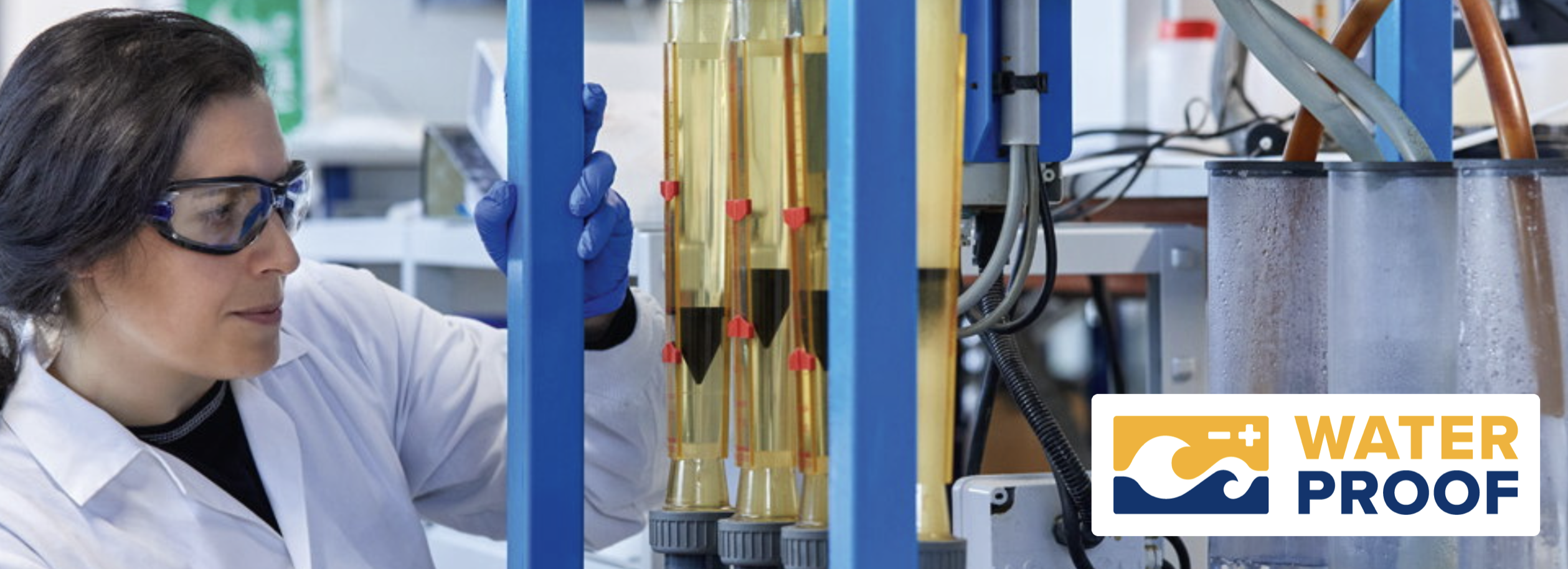
The EU-funded WaterProof project demonstrates a Carbon Capture and Utilisation (CCU) route in which captured carbon dioxide (CO₂) from waste and wastewater treatment is electrochemically converted into formate and subsequently formic acid, which is then used in different applications, including leather tanning and resource recovery. Within WaterProof, the former Avantium Volta Technology team is responsible for developing and advancing the electrochemical CO₂ conversion technology at the core of this process.
During the project, Volta Technology was spun out of Avantium into the independent company Carbeau. The company recently secured €35.2 million in funding and the support of a consortium of strategic and financial investors to further develop, scale up and commercialise its electrochemical platform.
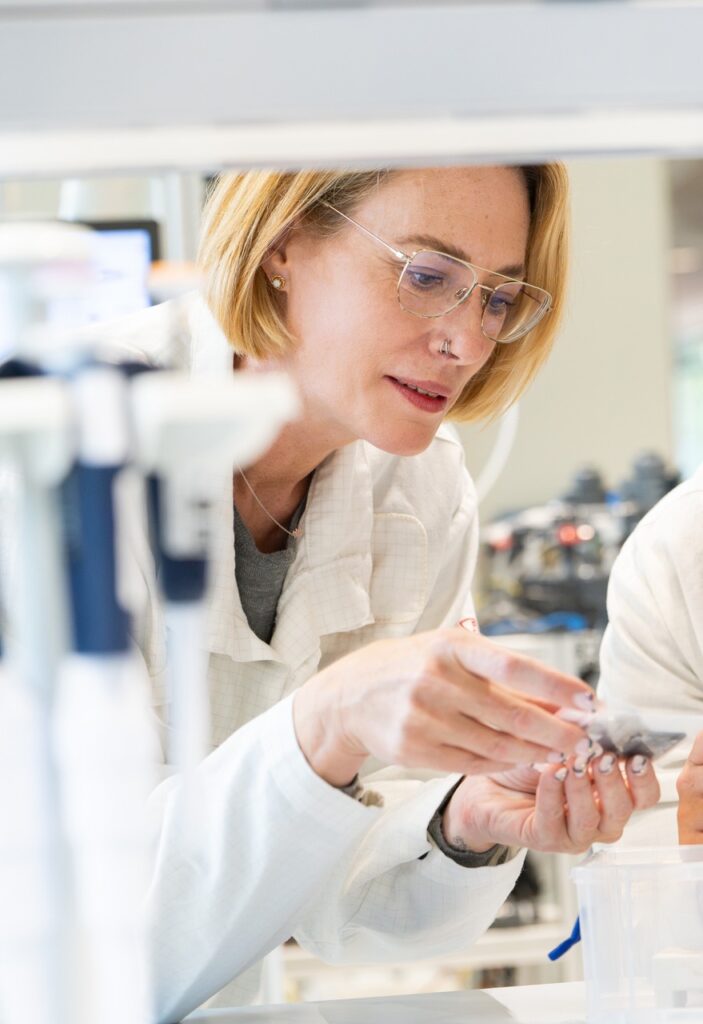
In WaterProof, your team has advanced the electrochemical conversion of CO₂ into formate as the first step towards renewable formic acid. Which technical developments have been most important in bringing the process to demonstration level?
The biggest step has been moving from proving the electrochemistry to demonstrating an integrated, engineered process. We’ve brought the CO₂ conversion, electrochemical acidification and downstream processing together, while also learning how to manage things like scale-up, controls, utilities and safety. That’s really what takes the technology from the lab toward industrial application.
WaterProof combines the electrochemical conversion step with downstream processing and different end-use applications. What have you learned from integrating the technology into this broader process chain
A key lesson is that you can’t optimise the electrolyser in isolation. What happens in the electrochemical step directly affects downstream separation, product quality, energy use and ultimately cost. WaterProof has helped us look at the whole process as one system and understand where improvements have the biggest impact.
During the project, Volta Technology was spun out of Avantium into Carbeau and secured €35.2 million in funding from strategic and financial investors. What does this milestone mean for the further development and commercialisation of the technology?
For us, it’s really the transition from technology development to scale-up and commercialisation. The funding gives Carbeau the resources to take the technology to the next level, but the investors also bring valuable industrial, market and regional expertise. In that sense, it’s both a strong validation of the technology and an accelerator for what comes next.
With WaterProof ending on 30 November 2026, which project results will be most relevant for Carbeau’s next steps and for the wider industrial application of electrochemical CO₂ conversion?
I’d highlight three things: scale-up knowledge, real operating experience and better business-case data. WaterProof gives us a much clearer understanding of how the technology performs as an integrated system and what still needs to be improved. For Carbeau, that knowledge becomes the foundation for the next scale. More broadly, it helps demonstrate that electrochemical CO₂ conversion can move beyond the lab and become a practical industrial technology.

Source: Waterproof project, original text, 2026-11-24.